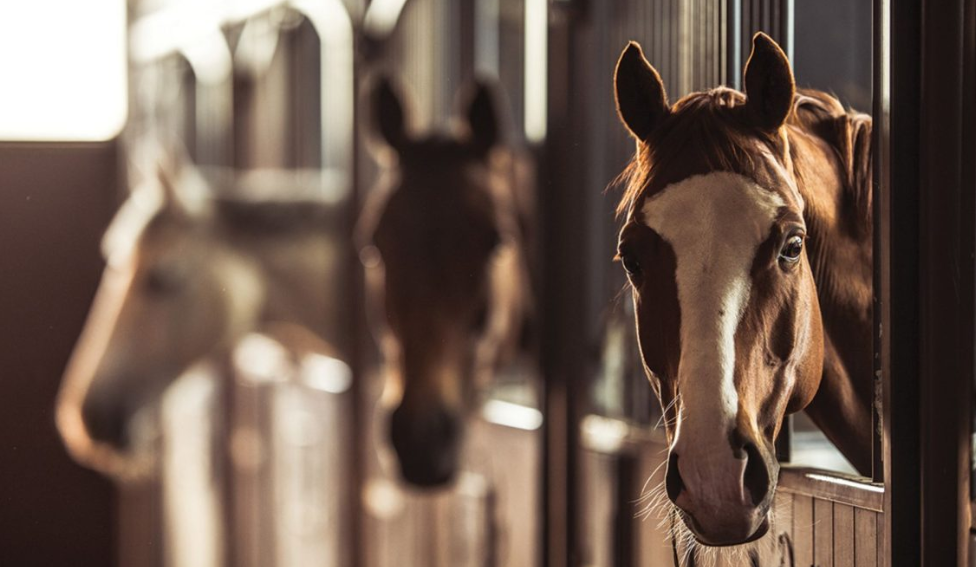
The mental health of horses plays a crucial role in their overall welfare and performance. Observations reveal that a mentally healthy horse displays positive behaviors and forms strong social connections. Conversely, signs of stress can manifest in various ways, impacting not only the horse’s well-being but also the safety of their handlers. Understanding the factors that contribute to equine mental health is essential. What strategies can be implemented to promote a fulfilling life for these animals?
Factors Affecting Equine Mental Health
While many may consider physical health as paramount in equine care, it is essential to recognize that mental health significantly influences a horse’s overall well-being.
Factors such as environmental enrichment and social interactions play critical roles in shaping a horse’s mental state.
Providing stimulating environments and opportunities for companionship fosters emotional stability, allowing horses to express their natural behaviors and thrive in a fulfilling manner.
Signs of Stress and Distress in Horses
Stress and distress in horses can manifest through a variety of behavioral and physical signs that indicate their emotional state.
Observers may note behavioral changes such as aggression, agitation, or withdrawal, often triggered by environmental factors like loud noises or sudden movements.
Recognizing these signs is crucial for understanding a horse’s needs and ensuring their well-being, fostering an atmosphere of freedom and safety.
See also: The Importance of Rest and Recovery
Strategies for Promoting Mental Well-Being in Horses
Horses frequently thrive in environments that promote mental well-being, highlighting the importance of intentional strategies to support their emotional health.
Implementing environmental enrichment—such as diverse habitats and stimulating activities—can significantly enhance a horse’s quality of life.
Furthermore, fostering social interactions, whether through companionship with other horses or engaging human relationships, nurtures their psychological resilience and encourages a sense of freedom and security.
Conclusion
In conclusion, the intricate connection between a horse’s mental health and its overall well-being cannot be overlooked. Just as a rider feels the subtle shifts in their mount’s demeanor, so too does a horse mirror its environment and companionship. By fostering mental stability through enrichment and social bonds, handlers not only enhance their horses’ lives but also ensure safer and more enjoyable interactions. Thus, prioritizing equine mental health becomes a pivotal coincidence that enriches both horse and human experiences alike.


 By
By